Odaesan Hiking Guide: Fir Forest and Birobong
A practical guide to hiking Odaesan National Park in Pyeongchang — the Birobong summit at 1,563m, Woljeongsa fir forest, Sogeumgang Gorge, and Seoul access.
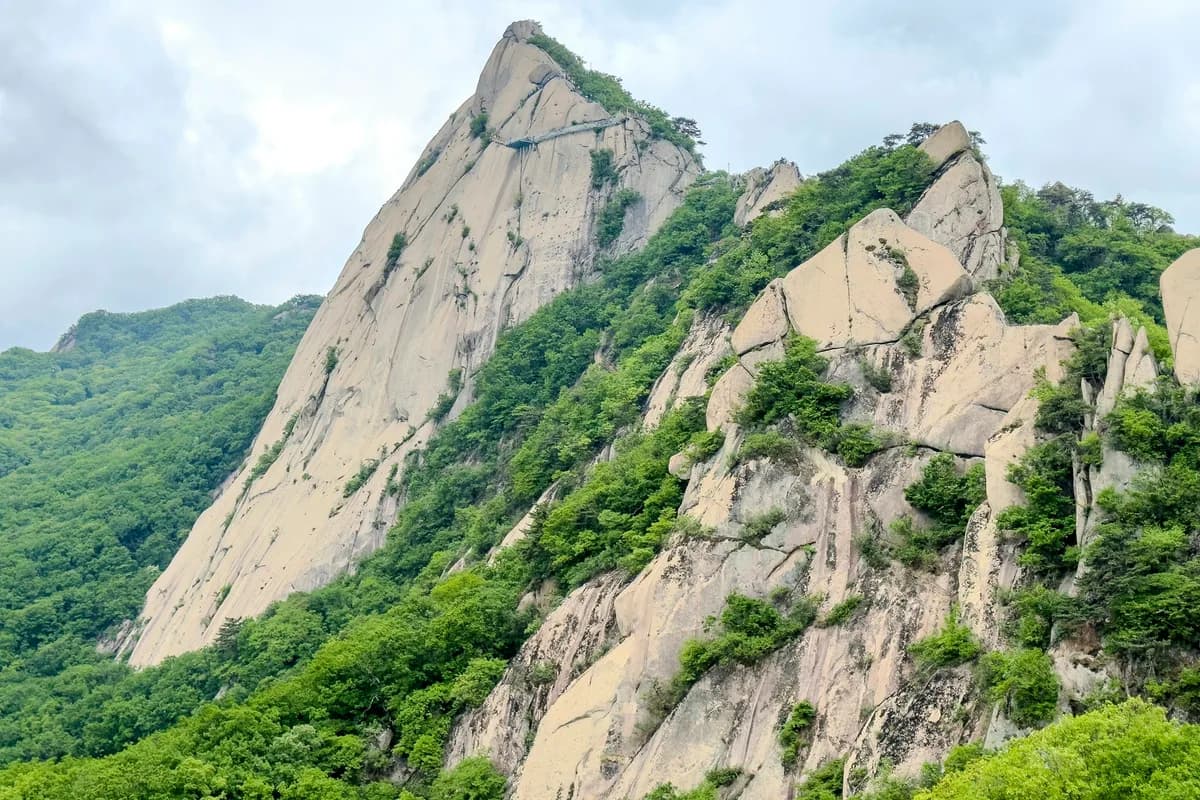
Odaesan National Park sits in the center of Gangwon Province, roughly 3 to 4 hours from Seoul by car or express bus through Pyeongchang. Birobong, the park's highest peak at 1,563 meters, anchors a ring of five summits above 1,400 meters — the formation that gives the mountain its name, meaning "Five Platforms." The peaks surround a central valley like five lotus petals, and the Buddhist monks who named the mountain in the 7th century chose the comparison deliberately.
The mountain's geological foundation is Precambrian metamorphic rock — primarily mixed striped gneiss, among the oldest exposed rock on the Korean peninsula. Mesozoic granite intrusions on the eastern slopes created the distinctive terrain of Sogeumgang Gorge. The name "Five Platforms" has two traditional explanations: one refers to the five summits themselves — Birobong, Horryeongbong (1,561m), Sangwangbong (1,491m), Dongdaesan (1,434m), and Durobong (1,422m) — arranged like petals of a lotus flower; the other refers to the five directional altars (中臺, 北臺, 南臺, 東臺, 西臺) established by the monk Jajang in 643 CE when he designated the mountain as Korea's primary Manjushri Bodhisattva pilgrimage site, consciously mirroring China's Mount Wutai.
The park's most famous feature is at the bottom, not the top. The Woljeongsa Fir Forest Trail — 1.9 kilometers through 1,700 Korean fir trees, some over 370 years old — is one of the three great fir forests in Korea. The trail is flat, shaded, and accessible to anyone who can walk. It is the single most photographed winter hiking scene in Gangwon Province: dark green fir branches carrying fresh snow, a stream running alongside, and silence.
Above the fir forest, the trails divide. The Birobong route from Sangwonsa Temple climbs through dense forest to the summit ridge — a steady 3.5-hour ascent past the Jekmulbogung, a hall enshrining Buddha's relics where no Buddha statue stands because the relics themselves are the object of worship. The Seonjae-gil connects the two major temples along 9 kilometers of gentle stream-side path — a 1,000-year-old monk's pilgrimage route reopened in 2013. And in the east, Sogeumgang Gorge — Korea's Scenic Site No. 1 — drops through boulder fields and waterfalls in terrain that accounts for 70% of the park's rescue incidents.
Quick Info
Quick summary for planning your Odaesan hike at a glance.
- Location: Pyeongchang / Hongcheon / Gangneung, Gangwon Province, South Korea
- Highest Peak: Birobong, 1,563m
- Park Area: 298.5 km²
- Difficulty: Easy (fir forest) to Hard (Sogeumgang Gorge)
- Best Time to Visit: October (autumn foliage), December–February (snow on fir trees), April–June (spring)
- Entrance Fee: Free (Woljeongsa temple grounds ~4,000 KRW)
- Park Designation: National Park since 1975
- Travel Time from Seoul: 3–4 hours by car or express bus
Trail Overview
| Trail | Distance | Elevation Gain | Time | Difficulty | Best For |
|---|---|---|---|---|---|
| Birobong Summit | 6.8km round trip | ~600m | 3–3.5h up | Moderate | Summit, sacred sites, forest |
| Woljeongsa Fir Forest | 1.9km one-way | negligible | 1–1.5h round trip | Easy | Families, photography, forest bathing |
| Seonjae-gil | 9km one-way | minimal | 3h | Easy | Temple pilgrimage, stream-side walk |
| Sogeumgang Gorge | 10+km | ~600m+ | 5–7h | Hard | Gorge scrambling, autumn foliage |
Why Odaesan Is Worth the Trip
Odaesan occupies a position in Korean hiking that no other mountain fills. It has the elevation — 1,563 meters, higher than anything in the Seoul area — but the defining experiences are not about the summit. The fir forest at Woljeongsa requires no fitness at all and delivers one of the most atmospheric walks in the country. The Seonjae-gil offers a genuine Buddhist pilgrimage experience on flat terrain. And the Birobong summit route passes through forest and sacred sites before opening onto a ridge with views across the Taebaek range.
The Buddhist heritage here is among the deepest in Korea. Woljeongsa Temple was founded in 643 CE by the monk Jajang, who established Odaesan as Korea's primary Manjushri Bodhisattva pilgrimage site after studying at China's Mount Wutai. The temple holds two National Treasures: an octagonal nine-story stone pagoda (National Treasure No. 48) and a stone Bodhisattva seated figure (National Treasure No. 48-2). Higher up, Sangwonsa Temple houses Korea's oldest surviving bronze bell — cast in 725 CE, 46 years older than the famous Emille Bell in Gyeongju.
Above Sangwonsa, the Jekmulbogung — the Hall of Nirvana — sits midway up Birobong's southern slope. This is one of the most sacred sites in Korean Buddhism. Jajang established it in 643 CE to enshrine the sarira (relics) of Sakyamuni Buddha, brought from China. Because the relics themselves are the object of veneration, the hall contains no Buddha statue — an architectural and theological distinction unique to these relic halls. The Odaesan Sago (五臺山 史庫), located nearby, served as one of five royal archives where copies of the Joseon Veritable Records were stored to protect them from war and natural disaster. The archive's remote mountain location was deliberately chosen for security during the Imjin War and Byeongja War.
A folk legend at Sangwonsa connects the temple to King Sejo (r. 1455-1468). According to the story, cats blocked Sejo's entry to the main hall, and upon investigation, assassins were found hiding inside. In gratitude, Sejo granted the temple extensive farmland and exempted surrounding villages from labor duties. Stone cat statues in the Sangwonsa courtyard commemorate the legend — Sejo's visit is historically documented, though the cat story persists as oral tradition.
The ecological value matches the cultural. The fir forest at Woljeongsa is a natural stand — not planted, not replanted — with trees averaging 83 years old and the oldest specimens exceeding 370 years. The phytoncide concentration is measurably high. And in the park's streams, a restoration program is bringing back the Manchurian trout, a cold-water species that disappeared from these waters in 1971.
For comparison, Seoraksan offers more dramatic granite scenery and is Korea's most famous hiking destination. Chiaksan is closer to Seoul with similar elevation but lacks the fir forest and cultural depth. Odaesan is the mountain for hikers who want forest, temples, and genuine altitude in a single trip — and for non-hikers who want the fir forest walk and nothing more.
Difficulty and Time Required
Odaesan's trail system spans the full difficulty range. The Woljeongsa Fir Forest Trail is flat, paved in sections, and accessible to elderly visitors, young children, and anyone with limited mobility. The Seonjae-gil connecting the two temples is gentle stream-side walking with minimal elevation change. Neither requires hiking boots or fitness.
The Birobong route is a proper mountain hike — 600 meters of elevation gain over 3.4 kilometers, with stone steps, wooden railings on the steeper sections, and an exposed ridgetop for the final approach. No technical scrambling is required. Most hikers in moderate fitness complete the round trip in 6 to 7 hours including stops.
Sogeumgang Gorge is a different category entirely. The route involves constant boulder scrambling, exposed ledges, stream crossings on slippery rock, and sections with no maintained railings. Seventy percent of the park's accidents occur here. Entry hours are restricted, and the gorge closes immediately during heavy rain due to flash flood risk. This trail is for experienced hikers only.
Trail Options
Birobong Summit — Best Overall
The primary summit route starts from Sangwonsa Temple and climbs through dense fir and deciduous forest to the Jekmulbogung sacred hall, then continues to Birobong peak at 1,563 meters.
Lower section — Sangwonsa to Jekmulbogung (2.5km, 1.5h)
From the Sangwonsa parking area, the trail passes through the temple grounds. Sangwonsa holds Korea's oldest bronze bell — cast in 725 CE, 1.7 meters tall, and designated National Treasure No. 36. The stone cat statues in the courtyard commemorate a folk legend about cats saving King Sejo from assassins.
The trail climbs steadily through forest with stone steps and wooden railings. The Jekmulbogung — the Hall of Nirvana — sits midway up Birobong's southern slope. This hall enshrines Buddha's sacred sarira (relics) and contains no Buddha statue — the relics themselves are the object of veneration. It is one of the most sacred sites in Korean Buddhism.
Upper section — Jekmulbogung to Birobong (0.9km, 40 min)
The final push steepens and the forest thins to alpine scrub. The ridge walk to the summit is exposed but not technical. From the top, the view takes in all five of Odaesan's peaks — Horryeongbong (1,561m), Sangwangbong (1,491m), Dongdaesan (1,434m), and Durobong (1,422m) — arranged in the lotus-petal formation that defines the mountain.
Round trip: approximately 6 to 7 hours including temple visit and stops.
Best for: Anyone wanting the summit with cultural depth, Buddhist heritage interest, forest hiking.
Woljeongsa Fir Forest Trail — Most Accessible
The 1.9-kilometer trail from Woljeongsa Temple's main gate to Geumgang Bridge runs through 1,700 Korean fir trees in a natural, unplanted stand. The path is flat, shaded, and parallels a stream. The canopy is dense enough to create a cathedral effect — dark trunks rising 30 meters, filtered light, and measurably high phytoncide levels.
In winter, this trail produces the most iconic hiking photograph in Gangwon Province: snow piled on dark green fir branches, the stream half-frozen below, and the forest completely silent. In autumn, the surrounding deciduous trees turn while the firs stay dark green — the contrast draws photographers from across the country.
Round trip: approximately 1 to 1.5 hours. No fitness requirement. Accessible to elderly visitors and young children.
Best for: Non-hikers, families, photography, forest bathing, anyone visiting Woljeongsa Temple.
Seonjae-gil — Temple Pilgrimage Walk
The 9-kilometer path connecting Woljeongsa and Sangwonsa follows the Odae Stream through gentle forest with minimal elevation change. Monks walked this route for over a thousand years before it was officially reopened as a public trail in 2013. The name refers to Sudhana, a wisdom-seeking bodhisattva in Buddhist scripture.
The trail is flat, stream-side, and suitable for all fitness levels. Most hikers walk from Woljeongsa to Sangwonsa (3 hours), visiting both temples and the fir forest in a single day. Transport coordination is needed for the return — taxi or shuttle between the two parking areas.
Best for: Buddhist pilgrimage interest, gentle all-day walk, anyone wanting both temples without summit hiking.
Sogeumgang Gorge — Advanced Only
Korea's Scenic Site No. 1, named by the Confucian scholar Yulgok Yi I as "Small Geumgangsan" for its resemblance to the Diamond Mountains. The gorge drops through boulder fields, exposed ledges, and a 30-meter waterfall (Guryongpokpo) over 10 or more kilometers of genuinely difficult terrain.
This is not a maintained trail in the way most Korean national park paths are. The route involves constant boulder hopping, exposed scrambling with significant drops, and stream crossings on slippery rock. Seventy percent of all Odaesan park accidents occur here.
Entry is restricted:
- Summer (April–October): 4:00 AM to 2:00 PM only
- Winter (November–March): 5:00 AM to 1:00 PM only
- Immediate closure during heavy rain (flash flood risk)
Allow 5 to 7 hours. Do not attempt without previous mountain scrambling experience, proper footwear, and a full pack.
Best for: Experienced hikers comfortable with Class 3 terrain, autumn foliage photography (peak: mid-October to early November).
Best for Most Travelers
If you have a half day: Woljeongsa Fir Forest Trail plus temple visit. One to one and a half hours of walking through 1,700 fir trees averaging 83 years old, followed by Woljeongsa Temple with its octagonal nine-story stone pagoda (National Treasure No. 48) and stone Bodhisattva seated figure (National Treasure No. 48-2). No fitness requirement, no special gear, and one of the most complete cultural-nature experiences available in Gangwon Province.
If you have a full day and want a summit: Birobong via Sangwonsa. Six to seven hours round trip, passing Korea's oldest surviving bronze bell at Sangwonsa (cast 725 CE, 46 years older than the Emille Bell in Gyeongju), the Jekmulbogung hall where Buddha's relics are enshrined without any Buddha statue, and the summit ridge with views across all five peaks. The trail is well-maintained with stone steps and wooden railings — no technical scrambling required.
If you want to connect both temples without climbing: Seonjae-gil. Nine kilometers of gentle stream-side walking between Woljeongsa and Sangwonsa, following a route monks walked for over a thousand years before it was officially reopened in 2013. The trail is named after Sudhana, the wisdom-seeking bodhisattva in Buddhist scripture. Three hours of flat terrain suitable for all fitness levels.
Who Should Do This Hike
Odaesan is the rare national park that serves both non-hikers and serious mountain trekkers equally well. The Woljeongsa Fir Forest and Seonjae-gil require no fitness, no gear, and no preparation beyond comfortable shoes. The Birobong summit route is a proper mountain day — 1,563 meters, 6 to 7 hours, forest and ridge — but without technical scrambling. Sogeumgang Gorge is for experienced hikers who understand what "70% of park accidents" means and plan accordingly.
Families should consider the fir forest walk combined with a Woljeongsa Temple visit as a standalone half-day trip. The temple museum, the National Treasure pagoda, and the forest together make one of the most complete cultural-nature experiences available in Gangwon Province.
The park is located in the Pyeongchang area — the same region that hosted the 2018 Winter Olympics. Winter visits to the fir forest are exceptional but require warm clothing and awareness that summit routes may be icy.
Tips Before You Go
- Bring at least 2 liters of water for the Birobong route. There are no reliable water sources above Sangwonsa Temple.
- The Woljeongsa Fir Forest Trail requires no special gear — any comfortable walking shoes are fine. The Birobong route requires hiking boots.
- Sogeumgang Gorge has strict entry time limits. Check the current schedule before planning — entry closes at 2pm in summer, 1pm in winter, and the gorge closes entirely during heavy rain.
- Squirrels in the park are famously unafraid of humans. Do not feed them — it disrupts the ecosystem and is prohibited.
- Woljeongsa Temple charges approximately 4,000 KRW for access to the temple grounds. The trails themselves are free.
- In winter, crampons are recommended for the Birobong upper sections. The fir forest trail is usually walkable without them.
- Sogeumgang Gorge was named by the Confucian scholar Yulgok Yi I, who considered it a "Small Geumgangsan" for its resemblance to the Diamond Mountains. The gorge includes Guryongpokpo, a 30-meter waterfall, and formations named Sipjaso (Cross Pool), Myeonggyeongdae (Mirror Terrace), and Manmulsan (Everything Mountain).
- The park is in the Pyeongchang area — the same region that hosted the 2018 Winter Olympics. A combined Odaesan and Gangneung coast itinerary is practical, with Gangneung approximately 1 to 1.5 hours away by car.
- Emergency number: 119. Odaesan National Park office: 033-332-6417.
How to Get There
From Seoul (express bus — recommended): Take an express bus from Dong Seoul Terminal to Jinbu (진부) in Pyeongchang County. Journey time is approximately 2.5 to 3 hours. From Jinbu, take a local bus or taxi to Woljeongsa Temple (approximately 20 minutes) or Sangwonsa Temple (approximately 30 minutes).
By car: Approximately 200km from Seoul via Yeongdong Expressway, roughly 3 to 3.5 hours. Parking is available at both Woljeongsa and Sangwonsa areas — arrive before 9am on weekends to secure a spot.
From Gangneung: Approximately 1 to 1.5 hours by car from Gangneung, making a combined coast-and-mountain itinerary practical.
Use Naver Maps for real-time transit directions on the day.
Final Thoughts
Odaesan is the mountain where you do not have to choose between the forest and the summit, between the temples and the trail. The fir forest at Woljeongsa is worth the trip from Seoul on its own — 1,700 trees, 370 years of natural growth, and a walk that anyone can do. The Seonjae-gil adds a thousand-year pilgrimage route on flat ground. And Birobong at 1,563 meters delivers genuine altitude with the deepest Buddhist heritage of any summit trail in Korea.
If you are visiting Gangwon Province with limited time, the fir forest walk plus Woljeongsa Temple is a half-day that competes with any cultural-nature experience in the country. If you have a full day, add the Birobong summit. If you are an experienced hiker with a taste for difficult terrain, Sogeumgang Gorge — Korea's Scenic Site No. 1 — is waiting.
For the best hikes reachable directly from Seoul by subway, see the full Seoul hiking guide.
Related Guides
Explore more hiking in Korea:
- Best hikes in Seoul — full overview of Seoul's mountains by subway
- Seoraksan Hiking Guide — Korea's top hiking destination, Gangwon Province
- Chiaksan Hiking Guide — national park near Wonju
FAQ
How difficult is the Odaesan Birobong hike? The Birobong route is rated Moderate. The 6.8-kilometer round trip gains 600 meters of elevation over well-maintained trails with stone steps and wooden railings. No technical scrambling is required. Most hikers complete it in 6 to 7 hours including stops.
Is the Woljeongsa Fir Forest walk suitable for beginners? Yes. The 1.9-kilometer trail is flat, shaded, and accessible to elderly visitors, young children, and anyone with limited mobility. No hiking gear is needed — any comfortable walking shoes are fine. Round trip takes 1 to 1.5 hours.
How do I get to Odaesan from Seoul? Take an express bus from Dong Seoul Terminal to Jinbu in Pyeongchang (2.5 to 3 hours), then a local bus or taxi to the trailhead (20 to 30 minutes). By car, the drive is approximately 3 to 3.5 hours via Yeongdong Expressway.
What is the best time to visit Odaesan? Winter (December to February) for snow on the fir forest — the most iconic scene. Autumn (mid-October to early November) for foliage in Sogeumgang Gorge. Spring (April to June) for wildflowers and mild temperatures. The fir forest is worth visiting year-round.
Is Sogeumgang Gorge safe? Sogeumgang Gorge accounts for 70% of Odaesan's rescue incidents. The route involves boulder scrambling, exposed ledges, and stream crossings with no maintained railings. Entry hours are restricted and the gorge closes during rain. It is for experienced hikers only.
What should I bring for hiking Odaesan? For the fir forest walk: comfortable shoes and a camera. For Birobong: hiking boots, 2 liters of water, snacks, and a wind layer. For Sogeumgang Gorge: full hiking gear, 3 liters of water, headlamp, and first aid kit. In winter, crampons are needed for summit routes.
Continue exploring Korea's mountains
More routes, same honest field notes.
Related guides
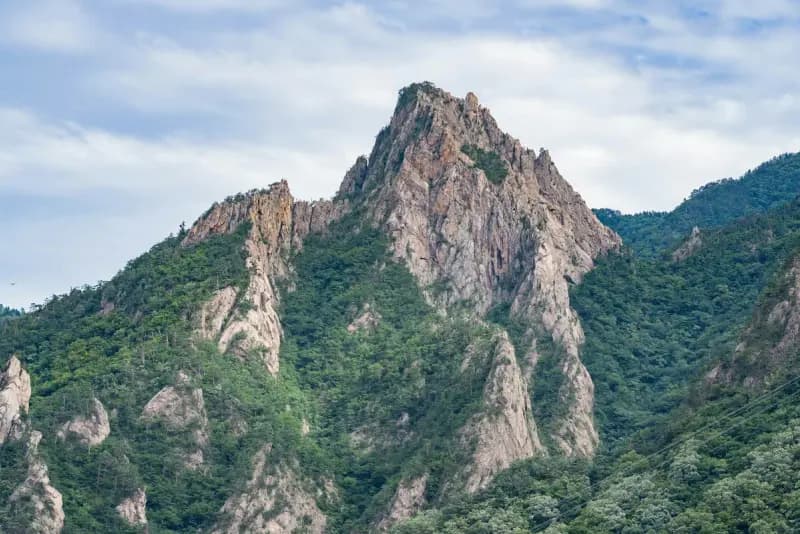
Nearby hikes
HardSeoraksan Hiking Guide: Ulsanbawi and Daecheongbong
A practical guide to hiking Seoraksan National Park — Ulsanbawi, Daecheongbong summit at 1,708m, Dinosaur Ridge, Biryong Waterfall, and bus access from Seoul.
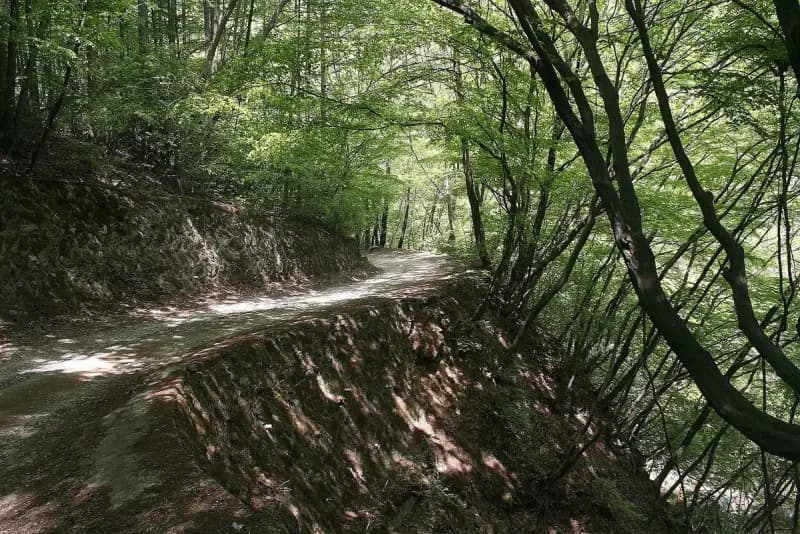
Nearby hikes
HardChiaksan Hiking Guide: Birobong and Guryongsa Trail
A practical guide to hiking Chiaksan National Park near Wonju — the Guryongsa route to Birobong summit at 1,288m, Ladder Ridge scrambling, and Seoul access.
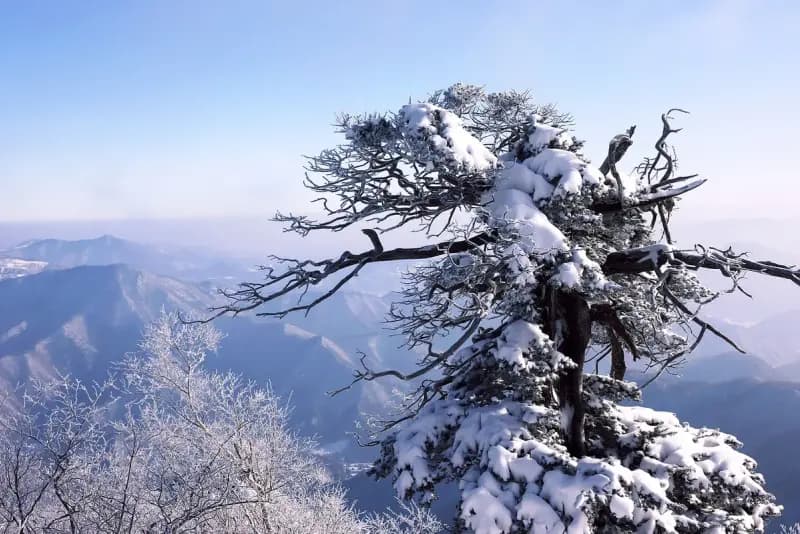
Nearby hikes
ExpertTaebaeksan Hiking Guide: Cheonjedan Altar and Snow
A practical guide to hiking Taebaeksan National Park — Korea's sacred mountain with the Cheonjedan heaven altar, winter snow flowers, and yew grove trails.